|
|||||
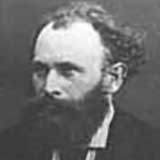 Art Brokerage: 1832-1883 -French Artist Edouard Manet: Born into a distinguished Parisian family in 1832, Edouard Manet was trained in the studio of Thomas Couture. Edouard Manet lived and worked in Paris, and is considered the first truly modern painter. By 1874, Manet’s reputation as an experimental artist and a leader of the Impressionists was firmly established. He met with Degas, Monet, Renoir and Pissarro on a regular basis at the cafes and studios in Paris, and even worked outdoors with the younger Monet at Argenteuil in 1874. Although closely tied to the younger artists, Edouard Manet did not exhibit in any of the eight Impressionist exhibitions showing only in the official Salons where many of his well known works were greeted with furor and scandal. Manet’s turbulent relationship to the official French Salon represented the emergence of the modern sensibility that became dominant in Paris in the late 1800’s. Manet painted real, not idealized people. Responding to Baudelaire’s call for an art that reflected modern life, Manet painted scenes from contemporary Paris with subjects that included people from fashionable society as well as beggars and prostitutes. He also made references to contemporary fashion, all within traditional themes of portrait, genre and still life. Manet made a trip to Spain in 1865 to see the works of Goya and Velasquez. Manet returned to Paris, using bolder and more confident brushwork as well as darker color. The paintings, under the influence of Goya, became more flat and immediate like a photographic image. Art Brokerage: 1832-1883 -French Artist Edouard Manet: Born into a distinguished Parisian family in 1832, Edouard Manet was trained in the studio of Thomas Couture. Edouard Manet lived and worked in Paris, and is considered the first truly modern painter. By 1874, Manet’s reputation as an experimental artist and a leader of the Impressionists was firmly established. He met with Degas, Monet, Renoir and Pissarro on a regular basis at the cafes and studios in Paris, and even worked outdoors with the younger Monet at Argenteuil in 1874. Although closely tied to the younger artists, Edouard Manet did not exhibit in any of the eight Impressionist exhibitions showing only in the official Salons where many of his well known works were greeted with furor and scandal. Manet’s turbulent relationship to the official French Salon represented the emergence of the modern sensibility that became dominant in Paris in the late 1800’s. Manet painted real, not idealized people. Responding to Baudelaire’s call for an art that reflected modern life, Manet painted scenes from contemporary Paris with subjects that included people from fashionable society as well as beggars and prostitutes. He also made references to contemporary fashion, all within traditional themes of portrait, genre and still life. Manet made a trip to Spain in 1865 to see the works of Goya and Velasquez. Manet returned to Paris, using bolder and more confident brushwork as well as darker color. The paintings, under the influence of Goya, became more flat and immediate like a photographic image. Art Brokerage has a client for an original Manet Oil on Canvas. Please email us. |

| Edouard Manet - Limited Edition Signed and Numbered Prints | Prints Slideshow | |||||||||||||||||||||||||||||||||||
| ||||||||||||||||||||||||||||||||||||

Art Wanted - Art Brokerage clients are currently looking for the following works of art |